_edited.png)
A Beginner’s Guide to Drinking Herbal Tea
Herbal tea has become increasingly popular among people looking for natural and refreshing beverage options. Whether you are exploring healthier lifestyle choices, reducing sugary drinks, or simply trying something new, herbal tea is one of the easiest habits to incorporate into your daily routine.
For beginners, the world of herbal tea can seem overwhelming. With so many varieties, flavors, and preparation methods available, many people wonder where to start.
This beginner’s guide will help you understand what herbal tea is, why people drink it, and how you can start enjoying herbal tea as part of a balanced lifestyle.
What Is Herbal Tea?
Herbal tea is a beverage made by infusing herbs, leaves, flowers, fruits, roots, or other botanical ingredients in hot water. Unlike traditional black tea or green tea, many herbal teas do not come from the tea plant (Camellia sinensis).
Popular herbal tea ingredients include:
Bilimbi leaves (belimbing buluh)
Ginger
Lemongrass
Peppermint
Chamomile
Roselle
Hibiscus
Pandan
Each herbal ingredient offers its own unique aroma, flavor, and drinking experience.
Why Are More People Drinking Herbal Tea?
Modern consumers are becoming increasingly interested in natural wellness products and healthier beverage alternatives.
Some common reasons people choose herbal tea include:
Preference for natural ingredients
Reduced consumption of sugary drinks
Interest in plant-based products
Enjoyment of warm and comforting beverages
Looking for caffeine-free options
As wellness awareness continues to grow, herbal tea has become a simple choice for people who want to adopt healthier daily habits.
Choosing Your First Herbal Tea
If you are new to herbal tea, start with flavors that are pleasant and easy to enjoy.
Some beginner-friendly options include:
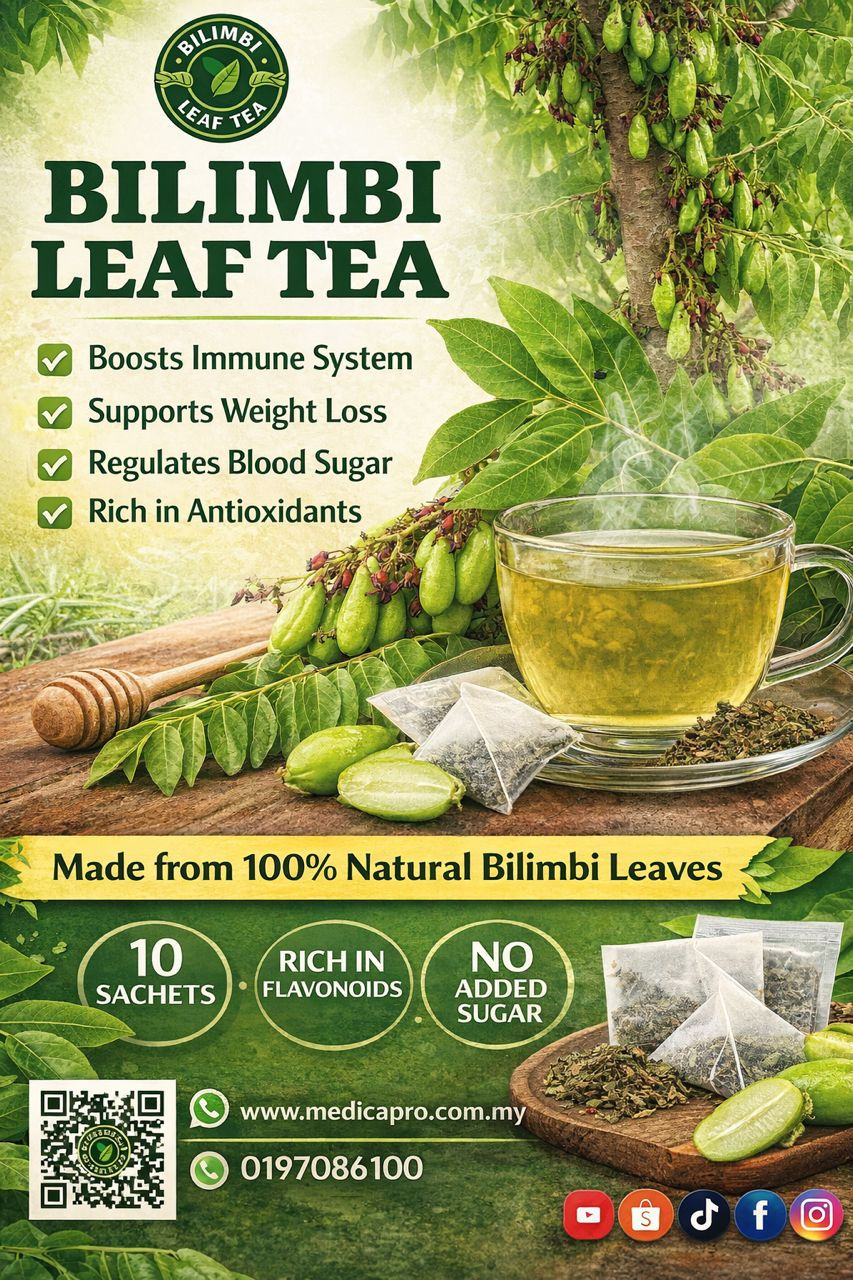
Bilimbi Leaf Tea
Known for its refreshing taste and traditional heritage, bilimbi leaf tea is becoming a popular choice among consumers interested in natural wellness beverages.
Ginger Tea
Offers a warm and comforting flavor that many people enjoy.
Lemongrass Tea
Known for its light, citrus-like aroma and refreshing taste.
Roselle Tea
A vibrant herbal drink with a naturally tangy flavor.
The best herbal tea is often the one that matches your personal taste preferences.
How to Prepare Herbal Tea
Preparing herbal tea is simple and requires only a few steps.
Step 1: Boil Fresh Water
Use clean, freshly boiled water for the best flavor.
Step 2: Add Herbal Tea
Place the tea bag or loose herbal tea into a cup or teapot.
Step 3: Steep Properly
Allow the tea to steep according to the instructions on the packaging, usually between 3 to 10 minutes depending on the herbal ingredients.
Step 4: Enjoy
Drink it warm or allow it to cool before serving over ice.
Should You Add Sugar?
Many herbal teas can be enjoyed without added sugar.
If you are transitioning from sweet beverages, you may initially prefer adding a small amount of natural sweetener. However, many people eventually learn to appreciate the natural flavors of herbal tea on their own.
Reducing added sugar can be a positive step toward healthier beverage habits.
Best Times to Drink Herbal Tea
One of the advantages of herbal tea is its flexibility.
Morning
Start your day with a warm herbal beverage as part of your morning routine.
Afternoon
Enjoy a refreshing cup during work breaks or after lunch.
Evening
Many herbal teas are naturally caffeine-free, making them suitable for evening enjoyment.
The best time depends on your personal preferences and lifestyle.
Common Mistakes Beginners Make
Choosing Based Only on Trends
Select herbal teas that suit your taste rather than simply following popular trends.
Using Water That Is Too Hot for Too Long
Over-steeping may affect the flavor of certain herbal teas.
Expecting Instant Results
Herbal tea is best viewed as part of a consistent wellness lifestyle rather than a quick solution.
Ignoring Product Instructions
Always follow the preparation guidelines provided by the manufacturer.
How Herbal Tea Fits Into a Healthy Lifestyle
Herbal tea works best when combined with other healthy habits such as:
Balanced nutrition
Regular physical activity
Adequate hydration
Quality sleep
Stress management
Small, sustainable habits often create the greatest long-term impact.
The Future of Herbal Tea
As consumers continue to embrace natural wellness and plant-based lifestyles, herbal tea is expected to remain a popular beverage choice.
Traditional ingredients such as bilimbi, ginger, and lemongrass are finding new appreciation among modern consumers who value both heritage and innovation.
This growing interest presents exciting opportunities for herbal products made from locally sourced botanical ingredients.
Starting your herbal tea journey does not have to be complicated. By choosing a tea that suits your taste, preparing it correctly, and enjoying it consistently, you can easily incorporate herbal tea into your daily routine.

Whether you prefer traditional herbal ingredients or modern wellness blends, herbal tea offers a simple and enjoyable way to explore natural beverage options.
Learn more about herbal wellness products from Medicalpro Healthcare & Wellness and discover how traditional botanical ingredients can complement modern lifestyles.


Comments