_edited.png)
Why Herbal Tea Is Becoming a Daily Essential
In today’s fast-paced world, more people are becoming mindful of what they consume every day. From healthier food choices to natural wellness products, consumers are actively searching for simple ways to improve their lifestyle. One growing trend that continues to gain popularity is herbal tea.
Once associated mainly with traditional remedies and relaxation, herbal tea has now become a daily essential for many people around the world. Whether enjoyed in the morning, during work breaks, or before bedtime, herbal tea is increasingly seen as part of a balanced and wellness-focused lifestyle.
But what exactly makes herbal tea so popular today? Let’s explore why more consumers are making herbal tea part of their everyday routine.
What Is Herbal Tea?
Herbal tea refers to beverages made from herbs, leaves, flowers, fruits, roots, or other plant-based ingredients. Unlike traditional black or green tea, many herbal teas are naturally caffeine-free, making them suitable for various times of the day.
Herbal teas come in many varieties, each offering unique flavors, aromas, and wellness-inspired experiences. In Malaysia and across Southeast Asia, traditional herbal ingredients are becoming increasingly appreciated in modern wellness culture.
The Growing Demand for Natural Wellness Products
One major reason herbal tea is becoming a daily essential is the increasing demand for natural wellness products.
Modern consumers are now more aware of:
Ingredient quality
Sugar intake
Artificial additives
Caffeine consumption
Health-conscious lifestyle choices
As a result, many people are shifting away from highly processed beverages and choosing drinks made from natural ingredients instead. Herbal tea fits perfectly into this growing wellness movement because it is often viewed as a simpler and more natural beverage option.
Herbal Tea Offers a Caffeine-Free Alternative
Many people enjoy coffee and caffeinated drinks for energy, but excessive caffeine consumption may not suit everyone’s lifestyle preferences.
This is why caffeine-free herbal tea is becoming more popular among consumers looking for lighter beverage choices that can be enjoyed throughout the day or evening.
Herbal tea can be:
Enjoyed before bedtime
Consumed during relaxation time
Used as a comforting warm beverage
Included in daily wellness habits
Its flexibility makes it easy to incorporate into modern routines.
A Better Alternative to Sugary Drinks
Sugary beverages remain one of the biggest concerns in modern diets. Soft drinks, flavored beverages, and sweetened drinks often contain high amounts of added sugar.
Today, more people are actively searching for:
Low-sugar drink options
Natural beverages
Healthy lifestyle alternatives
Functional wellness drinks
Herbal tea provides a refreshing option that can often be enjoyed without added sugar, helping consumers make more mindful beverage choices.
Herbal Tea Supports Relaxation and Mindful Living
Modern lifestyles can be busy and stressful. Many people are now prioritizing self-care routines and mindful wellness habits to improve daily balance.
Drinking herbal tea has become part of these routines because it encourages:
Relaxation
Quiet moments during the day
Slower and more mindful habits
Comfortable evening routines
For many consumers, preparing and enjoying a cup of herbal tea is not just about the drink itself — it is also about creating moments of calm and wellness.
Traditional Ingredients Are Making a Comeback
Traditional herbs and natural ingredients are gaining renewed attention in today’s wellness market. Consumers are becoming more interested in local plants, heritage ingredients, and natural botanical products.
In Malaysia, ingredients such as:
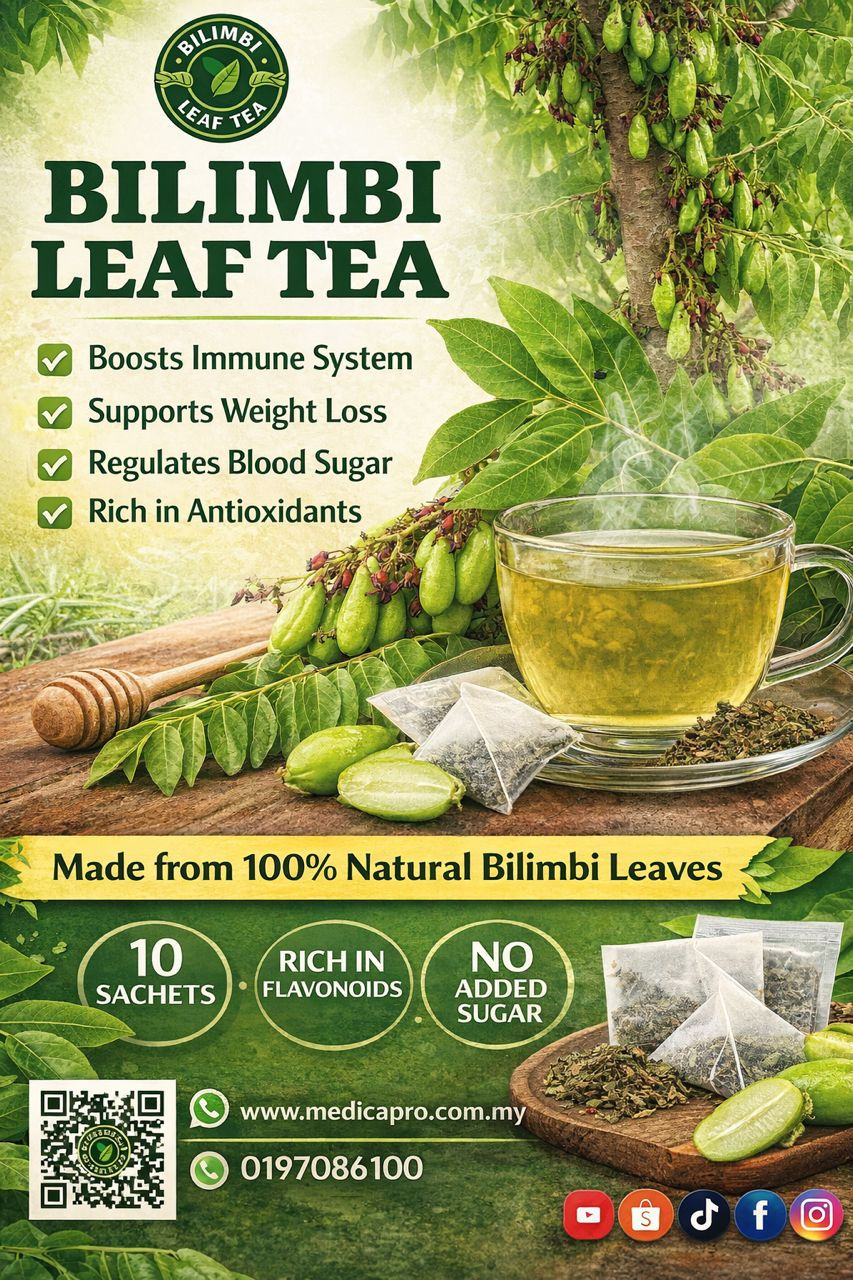
Bilimbi (belimbing buluh)
Ginger
Pandan
Lemongrass
Roselle
This growing appreciation for traditional ingredients has helped herbal tea become more relevant to younger and health-conscious consumers.
Herbal Tea Fits Modern Wellness Trends
The wellness industry continues to grow rapidly worldwide. Consumers are now seeking products that align with:
Plant-based lifestyles
Natural wellness habits
Clean ingredient preferences
Holistic living approaches
Herbal tea naturally fits into these trends because it is simple, plant-based, and easy to enjoy daily.
Many people now keep herbal tea at home, in offices, or while traveling as part of their everyday wellness routine.
How to Make Herbal Tea Part of Your Daily Routine
Adding herbal tea to your lifestyle can be simple and enjoyable. Here are a few easy ideas:
Morning Routine
Start your day with a warm herbal beverage instead of sugary drinks.
Midday Refreshment
Enjoy iced herbal tea during hot afternoons for a refreshing break.
Evening Relaxation
Choose caffeine-free herbal tea during quiet evening routines.
Wellness Habits
Pair herbal tea with balanced meals, hydration, exercise, and mindful living practices.
Consistency is often more important than complexity when building healthier daily habits.
Why Herbal Tea Continues to Grow in Popularity
The popularity of herbal tea is expected to continue growing as consumers become more health-conscious and wellness-focused.
People today are increasingly looking for products that are:
Natural
Convenient
Plant-based
Traditional yet modern
Suitable for daily lifestyles
Herbal tea checks all these boxes, making it one of the most accessible wellness beverages in today’s market.
Conclusion

Herbal tea is no longer viewed as just a traditional beverage it has become part of modern healthy living. From supporting mindful routines to offering a natural alternative to sugary drinks, herbal tea continues to attract consumers seeking balanced lifestyle choices.
As wellness trends continue to evolve, herbal tea remains one of the simplest ways to enjoy natural ingredients in everyday life.

Comments